The One Forex Trading Mistake That Destroys Profitable Traders in the US & UK
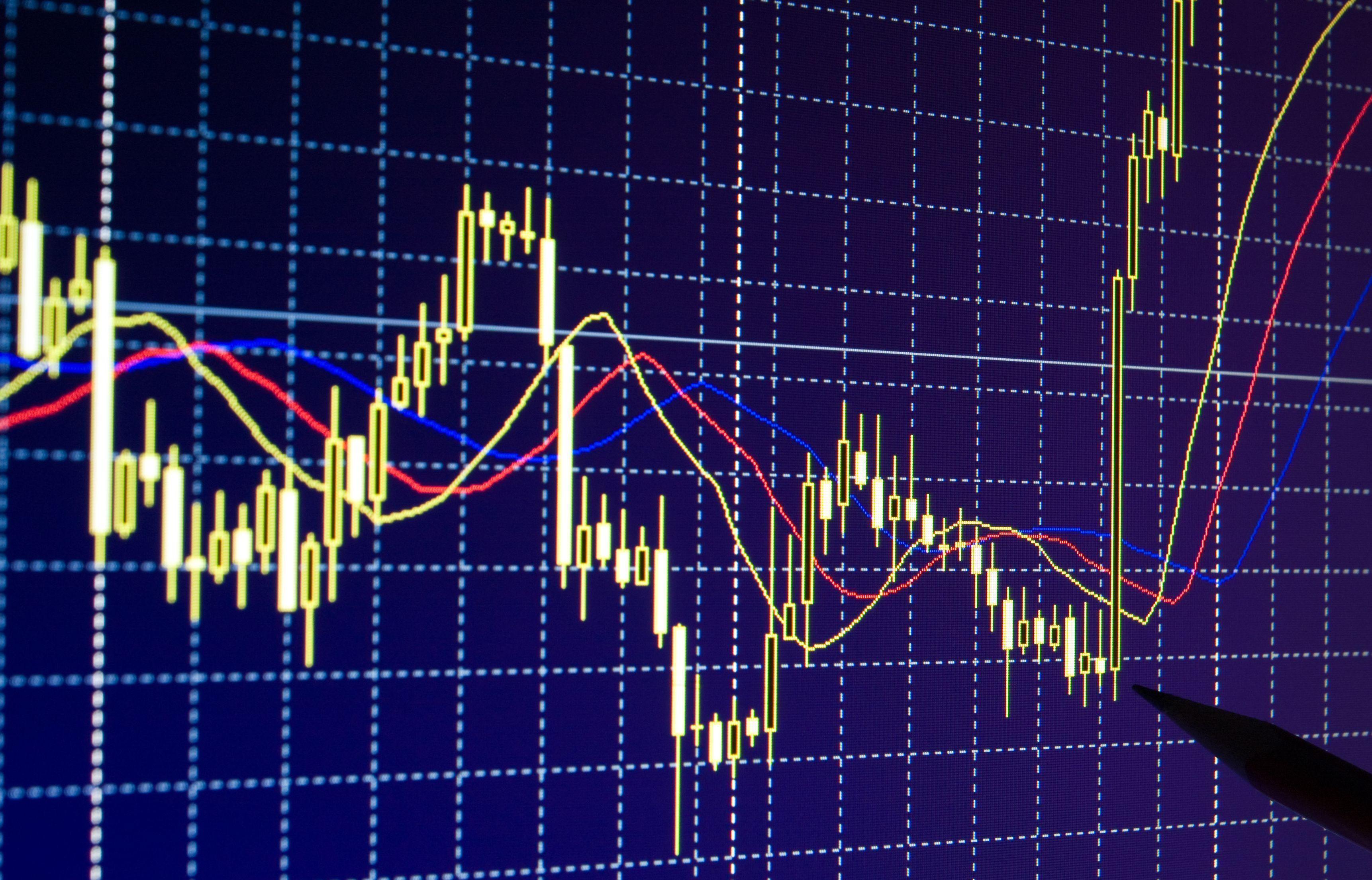
Most Forex traders don’t fail because their strategy doesn’t work. Many actually find systems that are profitable on paper. Yet over time, even traders who can make money end up blowing accounts. In the US and UK, one mistake destroys more profitable traders than any other—and it’s not bad entries or bad analysis.
It’s overleveraging.
What Overleveraging Really Means
Overleveraging happens when traders use position sizes that are too large relative to their account balance. Forex makes this dangerously easy. With high leverage available, traders can control large positions with small capital.
At first, it feels empowering. Small price movements lead to big profits. But the same leverage that boosts gains also magnifies losses—often beyond what traders can emotionally or financially handle.
Why Profitable Traders Fall Into This Trap
Many traders become overconfident after a series of wins. They start increasing position sizes too quickly, believing they’ve “figured out the market.”
In the US and UK, where markets are highly liquid and volatile during major sessions, even a small unexpected move can wipe out weeks or months of gains when leverage is too high.
This is how profitable traders turn into losing ones—not through bad strategy, but through poor risk control.
The Psychological Damage
Overleveraging doesn’t just harm your account. It destroys decision-making.
When too much money is on the line:
- Traders move stop losses
- Close winners too early
- Hold losers too long
- Trade emotionally instead of logically
At that point, even the best strategy becomes useless. Trading shifts from probability-based decisions to fear-based reactions.
Why Regulations Don’t Fully Protect Traders
Regulators like the Financial Conduct Authority and the Commodity Futures Trading Commission limit leverage for retail traders, but rules can’t protect traders from themselves.
Even with reduced leverage caps, traders can still risk too much per trade by:
- Ignoring stop losses
- Opening multiple correlated positions
- Trading too frequently
The problem isn’t available leverage—it’s how it’s used.
What Professionals Do Differently
Professional traders focus on survival first. They understand that staying in the game is more important than maximizing short-term profits.
They typically:
- Risk 0.5% to 2% per trade
- Accept long periods of slow growth
- Focus on consistency over excitement
- Reduce size during losing streaks
This approach may feel boring, but it works.
How to Avoid This Mistake
To protect yourself:
- Set a fixed percentage risk per trade
- Always use stop losses—and respect them
- Avoid revenge trading after losses
- Reduce position size during volatile news events
- Track drawdowns, not just profits
Forex rewards discipline far more than intelligence.
The Bottom Line
The biggest danger in Forex trading isn’t the market—it’s misuse of leverage. Overleveraging turns good traders into bad ones and destroys otherwise profitable careers.
If you trade in the US or UK and want to stay profitable long term, remember this:
Your edge means nothing if your risk management is broken.
In Forex, the traders who last aren’t the smartest—they’re the most disciplined.